Physiotherapists live in the slipstream in between feature and feeling. We work to restore motion, yes, but every plan hinges on whether a person can tolerate the journey. Discomfort flexes pose, interferes with sleep, distorts motor control, and can gut a promising rehabilitation program. That is why formal discomfort administration training, and specifically the national system PUAEME008 Provide discomfort administration, deserves a clear description from a physiotherapy viewpoint. Several clinicians hear the code, recognize it relates to prehospital and emergency contexts, and question just how it converts to daily technique. The short answer: it includes a solid, safety-focused layer to your professional ability, specifically for acute pain scenarios, immediate care settings, outreach job, and multidisciplinary settings where timely analgesia and structured assessment matter.
Where PUAEME008 suits the landscape of discomfort education
Pain management courses come in lots of flavors. Some target the biopsychosocial approaches underpinning consistent discomfort. Others concentrate on pharmacology and governance, typically created for nursing or paramedical personnel. After that there are short courses in pain administration that concentrate securely on acute discussions: bone and joint injury, postoperative pain in area setups, or serious flare-ups of persistent problems. PUAEME008 beings in that last group. It is a useful, competency-based unit built around the safe delivery of temporary analgesia within specified protocols, coupled with organized assessment, documents, and escalation.
For physio therapists who provide care in immediate care, sports sideline settings, area and country outreach, or integrated medical care hubs, the system sets well with core physio skills. It does not replace a certification course in pain administration that explores central sensitization or inspirational interviewing, and it is not an alternative to an extensive discomfort administration accreditation that covers months. It is a focused credential that reinforces acute pain decision-making under medical governance.
What "offer discomfort monitoring" means in this context
PUAEME008 Offer pain administration includes three pillars: evaluation, treatment within range, and evaluation with paperwork. Evaluation is not just a 0 to 10 numerical ranking. It asks you to collect device, red flags, comorbidities, allergic reactions, and prospective drug communications, after that determine if instant analgesia is ideal or if you require to rise to treatment. Interventions covered generally revolve around approved, protocol-driven alternatives like breathed in analgesia or oral representatives allowed in your jurisdiction and office plans. The examination piece is detailed: reassess pain at defined periods, observe for negative impacts, and document to make sure that the next medical professional receives a clean handover.
Physiotherapists are typically educated to believe motion first. In the intense setting, motion depends upon pain tolerability and safety and security. With PUAEME008, you are trained to decide, within your extent and neighborhood consent, whether momentary analgesia assists you execute a much safer evaluation, minimize distress, and help with transportation or recommendation. The unit likewise develops your judgment about when not to provide analgesia, such as in presumed abdominal emergency situations needing surgical evaluation or in head injury where transformed mental standing clouds the picture.
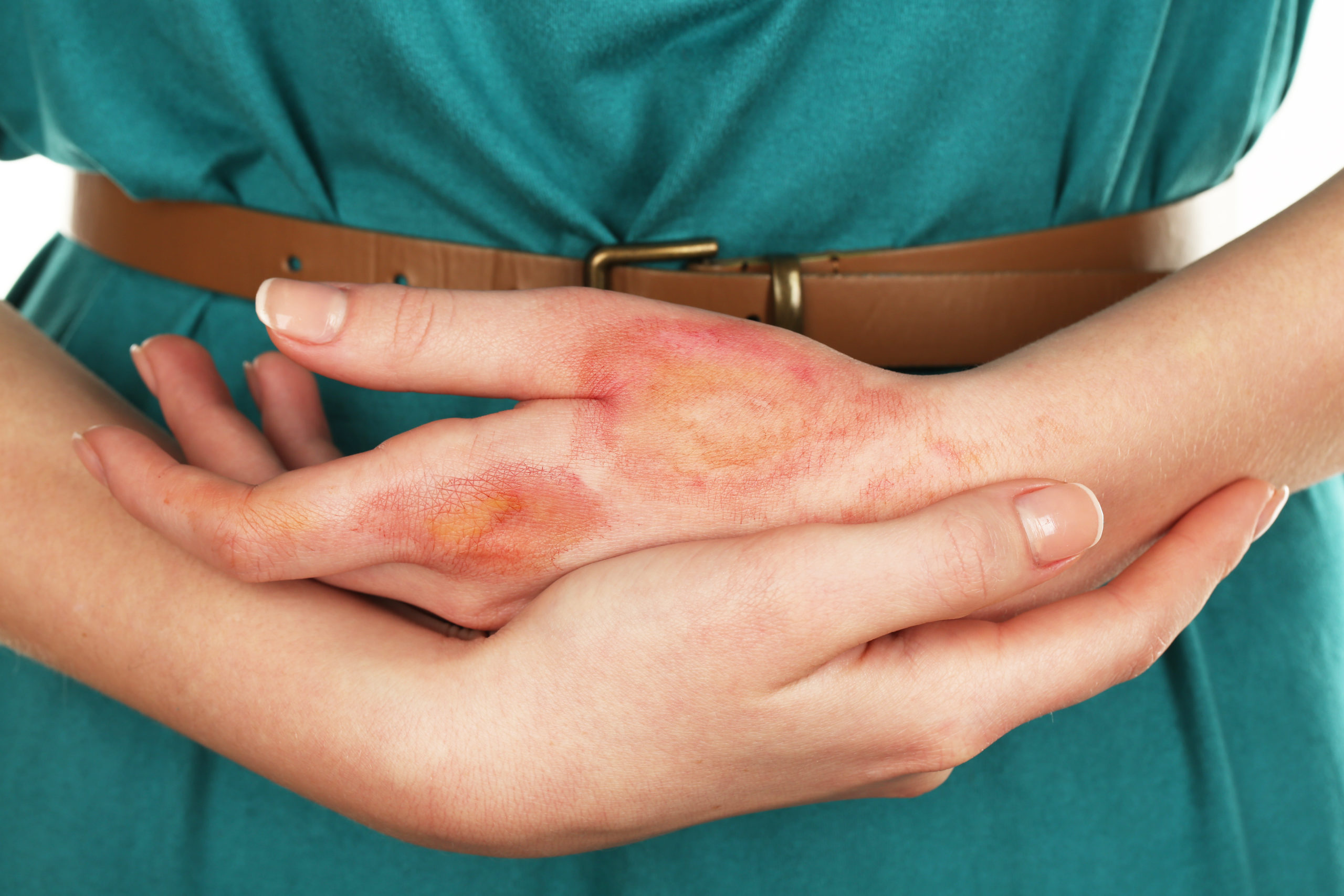
What the unit typically covers
The specifics differ by provider, yet a strong pain monitoring program aligned to PUAEME008 shares usual threads: fundamental discomfort scientific research, threat testing, pharmacology essentials relevant to frontline care, non-pharmacological methods you can execute quickly, and robust procedures for documentation and handover. The training typically involves simulated scenarios with time stress and incomplete details, which mirrors real-life conditions remarkably well. You can expect skill terminals on breathed in analgesia if permitted in your area, functional opioid security conversations, and acknowledgment of unfavorable responses like hypotension, respiratory clinical depression, or paradoxical agitation.
A well-run program will emphasize systems assuming. Pain administration training is not just about the medication; it has to do with radios that function, package checks that capture expiring cyndrical tubes, and regular bookkeeping that closes safety and security loops. As a physiotherapist, you will identify the alongside taping tables examined prior to sport, or drive tests standard for inter-rater dependability. PUAEME008 is that https://canvas.instructure.com/eportfolios/4049836/home/face-to-face-first-aid-sessions-the-power-of-personal-communication-in-understanding way of thinking, related to intense pain.
Why physio therapists benefit
Pain is the rate-limiting consider many physical rehabilitation paths. Intense lateral ankle sprains, rib contusions, spinal flare-ups, adhesive capsulitis during serious stages, and post-fracture rigidity all test the client's limit. In team sports and neighborhood emergency situations, you might be the senior clinician on scene. Structured training permits you to support, ease pain securely, and refer with tidy documentation. In centers that support post-surgical people, the capability to recognize badly controlled pain early, readjust non-pharmacological procedures, and escalate or communicate with medical associates can prevent issues like movement evasion and readmission.
I recall a Saturday early morning center in a rural town, where the local urgent treatment was an hour away. A farm employee showed up with a presumed rib crack after being smashed briefly by a gateway. Without training, the default would have been to incapacitate and send him on. With pain monitoring training and appropriate protocols in place, we utilized a short-acting inhaled representative, monitored him carefully, and improved his ventilation enough to minimize splinting. That made transportation much safer and his distress convenient. The distinction was not heroic medication, it was procedures executed properly.
Comparing program kinds for various clinicians
Physiotherapists typically share finding out areas with nurses and paramedics hurting monitoring training courses. The variety helps. Nurses bring deep drug security experience, while physios include mechanical assessment and movement-focused methods. The overlap focused the unit improves interprofessional interaction. Discomfort monitoring training for nurses may lean much more on medicine handling and administration policy. Discomfort administration programs for physiotherapists often highlight evaluation linked to work, bracing settings, and instant activity strategies that decrease nociception. When mixed mates discover together, they converge on a shared language of threat and feedback, which brings right into daily collaboration.
For those who want more comprehensive depth, a pain administration qualification training course or a longer certification training course in pain administration can explore chronic pain neurobiology, graded exposure, cognitive strategies, and case-coordination. Brief training courses hurting management, consisting of PUAEME008, fit best when you require to hone emergency discomfort administration and intense decision-making.
Scope, authorization, and the truth of practice
A key point: PUAEME008 Give pain monitoring is not a freebie to administer anything you like. Extent remains linked to laws and company plan. Also within protocol-based authority, you will certainly be guided by inclusion and exemption criteria, dose ranges, monitoring demands, and compulsory reporting. Before you book, examine whether your practice establishing authorizes non-medical medical professionals to supply particular agents. Exclusive facilities might call for a standing order or clinical governance. Sporting companies may already have a plan framework for match-day protection. Community wellness services typically have developed drug registers and audit pathways.
The ideal providers of discomfort monitoring training programs will ask about your setting and tailor pain management training certification practical components to what you can in fact apply. If you can not administer breathed in analgesia where you function, you can still gain from advanced evaluation drills, non-pharmacological devices, and escalation preparation. The certification you receive need to reflect the competencies you were examined against, not theoretical permissions.
Core abilities the unit sharpens
Pain assessment moves beyond asking exactly how bad it is. With the device, you find out to triangulate severity with influence, pattern, and red flag screens. Mechanism overviews uncertainty. An inversion injury with a state-of-the-art sprain provides in a different way to a midfoot injury where you may need to rule out a Lisfranc injury. Rib pain with crepitus and superficial breathing elevates worries concerning pneumonia risk if splinting continues. A clean pain management certification shows that you can connect this thinking to immediate activities, not simply chart notes.
You will also practice titration and review. Lots of analgesic alternatives work best when you supply the tiniest efficient dosage, then reassess immediately. The course trains you to tag time points, capture vital indications, and anchor discomfort changes to useful outcomes like improved gait or capacity to take a full breath. That practical lens is where physio therapists excel, and the system offers you language to record changes with precision.
Non-pharmacological tools stay central
Even in a give pain monitoring program, the non-drug approaches project. Positioning can de-load irritable tissues in secs. A patient with intense lumbar discomfort might endure side-lying with minor hip and knee flexion much better than supine. Gentle isometrics for the rotator cuff can dampen pain through spinal-level gating. Ice or warmth still have a place, but only when person preference and tissue state align. For rib injury, we commonly integrate side costal development breathing with supported coughing techniques to avoid atelectasis, since well-managed auto mechanics lower pain through both physiology and viewed control.
A strong course will educate you to match these strategies with analgesic choices when appropriate. The synergy issues: a tiny reduction in pain can unlock motion, and movement can even more reduce discomfort. That virtuous cycle underpins boosted outcomes after the acute phase.
Documentation that stands under scrutiny
In the rush, documents feels like a task. In truth, it is a safeguard and a present to the next clinician. PUAEME008 emphasizes clear, legible, time-stamped notes. Document baseline vitals, discomfort rating, and location. Note allergies, current drugs, and the choice path to provide or hold back analgesia. If you carry out a medication, consist of dosage, path, lot number when called for, time of management, observed reaction, and damaging impacts. For physio therapists, include useful monitorings: aided rest to stand improved from optimum to modest assist after intervention, gait range increased from 5 to 25 meters, or thoracic expansion improved by 2 centimeters at the axillary line. Those information make your handover actionable.
Patient communication and expectation setting
People bear in mind just how you made them feel throughout discomfort episodes. Discuss what you are doing, why, and what to expect. If supplying inhaled analgesia, describe the beginning, possible negative effects like wooziness, and how you will certainly check them. If you select not to provide a drug because of red flags, say so clearly and clarify the prepare for urgent referral. That transparency builds count on. For persistent discomfort flare-ups, frame your non-pharmacological strategies as active choices, not consolation rewards. Show tiny, achievable movements that demonstrate prompt control. When a client notices a 20 percent change hurting with breath-coordinated movement, they lean in.
Quality and safety and security culture
The finest discomfort monitoring training courses make security noticeable. Equipment checks become regular. Group briefs walk through functions if a patient wears away. Simulation includes unusual yet vital events such as anaphylaxis or sudden hypotension. After every situation, debriefs explore both technical and non-technical abilities: situational awareness, communication, and work management. If your workplace does not yet have an official framework for this, bring the routines you discover back to your team and start little. An once a week five-minute huddle and a common supply list are modest actions that avoid problems.
Selecting a carrier that matches your needs
Not all programs are equal, and physio therapists should search for a program that values their scope and matches their staminas. Go for a company with skilled teachers from emergency, paramedicine, or advanced nursing, that additionally recognize allied health and wellness contexts. Analysis needs to be genuine, with observed sensible parts, not just a multiple-choice test. Situation realism matters. Ask if they consist of documents drills, handover technique, and non-pharmacological approaches together with pharmacology. Validate that the discomfort administration certificate you get states the system code PUAEME008 and the expertises analyzed, given that this reduces acknowledgment with companies and credentialing bodies.
If your objective is more comprehensive than acute care, consider matching PUAEME008 with a longer pain administration certification course that explores relentless discomfort. Lots of physio therapists gain from that mix: intense stablizing skills with deepness in rehabilitation-oriented discomfort science.
How the unit plays out in daily physiotherapy
Picture an active musculoskeletal facility on a Monday. A person shows up message ankle inversion with swelling and safeguarded movement. You evaluate for Ottawa ankle joint rules, paper weight-bearing status, and recognize no red flags. Non-pharmacological steps bring their pain from 8 to 6, but they still can not endure talocrural joint evaluation. Under method and with authority, you give a short-acting analgesic, screen, and within mins reassess. Currently you can run through cardiovascular test, verify likely quality, offer a functional brace, and develop very early loading parameters. The boosted experience sets the tone, and your plan sticks.
Now shift to a community home browse through. An older grownup with osteoporotic vertebral fracture is hyperventilating and guarding. You trainer breathing and gentle positional changes, yet the discomfort remains serious. You call the obligation clinical police officer, intensify suitably, and record thoroughly. Even if you can not provide analgesia, your PUAEME008 training develops your handover, speeds care, and maintains the patient safer.
Governance, audit, and the long memory of systems
Any office that allows non-medical medical professionals to provide analgesia should have tight administration. That includes regulated storage space, supply settlement, expiry tracking, and incident reporting. PUAEME008 enhances this with practical regimens. The device instructs you to track patterns: Are you regularly requiring added doses for comparable discussions? Are unfavorable results clustering at particular times or particularly environments? That comments loophole causes procedure updates and far better results. In sports programs, as an example, pattern evaluation may alter sideline plans for hydration and warm monitoring, which indirectly minimizes discomfort episodes and cramping.
Integrating with broader pain education
If PUAEME008 is your initial organized pain administration program, you will likely finish hungry for even more. That is the appropriate sensation. Acute pain proficiency is a foundation. From there, take into consideration training courses on consistent pain that cover rated motor imagery, pain education strategies crafted for various wellness proficiency levels, and pacing techniques that safeguard function without driving anxiety. Physiotherapists focusing on complicated pain typically pursue a discomfort administration accreditation through university-affiliated programs or colleges, sometimes piled as micro-credentials. Those paths match the emergency situation pain management emphasis of PUAEME008, offering you a full spectrum from first-hour care to lengthy arc rehabilitation.

Cost, time, and sensible expectations
Most service providers deliver PUAEME008 in a one to two day format, with pre-reading to speed up the functional work. Expenses vary by area and supplier, commonly landing in a range similar to other short programs in pain administration. What issues greater than period is the intensity of simulation and quality of evaluation. Expect to overcome exhaustion and obscurity. Anticipate to be observed and to obtain straight feedback. If a course uses a fast certificate without sweat, look elsewhere.
Remember that a discomfort administration certification is the beginning of your permission trip, not the end. Your company needs to recognize the system, your extent must be recorded, and you must complete workplace inductions specific to medicine handling and occurrence management. Maintain copies of all files and guarantee your professional indemnity covers the tasks you intend to perform.
A brief, useful structure physio therapists can apply tomorrow
- Screen quick for red flags, allergic reactions, and recent medicines, then decide: analgesia currently within scope, or prompt escalation. Pair tiny analgesic gains with exact motion interventions that show immediate feature modification, also if modest. Reassess on the clock: capture vitals and practical pens at pre-set periods, not "whenever." Document as if handing the situation to a colleague you respect, because you likely will. Debrief each situation with your group and update regional checklists if you find system flaws.
Edge situations and judgment calls
Practice rarely follows the manuscript. Patients under-report pain out of stoicism or fear of medicines. Others over-report out of anxiousness or previous unfavorable experiences. Language barriers complicate ranges. Breathed in agents can create transient euphoria that puzzles analysis, so you have to separate influence from analgesia. Rib trauma individuals can deteriorate regardless of stable early vitals. People with persistent opioid use might not respond to conventional dosages, which tempts rise that surpasses scope. PUAEME008 does not make these issues go away. It offers you framework to navigate them without wishful thinking.
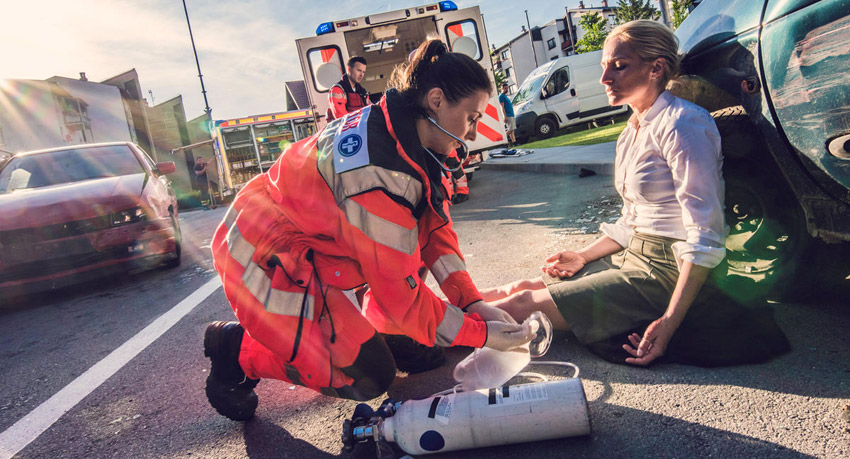
As a physiotherapist, your lens remains feature. Also in ambiguity, anchor decisions to whether the patient can breathe, move, and secure themselves safely. When unsure, escalate. No certification replaces medical humility.
Bringing all of it together
Pain monitoring training courses help clinicians react to the most human part of their job: suffering. For physio therapists, PUAEME008 Supply pain administration adds practical skills in intense situations, enhances interprofessional language, and boosts the way we connect discomfort control to movement outcomes. It does not establish you up as a prescriber or pain expert by itself. It does not guarantee perfection in unpleasant cases. What it supplies is disciplined evaluation, much safer prompt care, and documentation that respects the following action in the chain.
When you select a service provider, seek scenario-rich teaching, real assessment, and an educational program that honors your extent. Make use of the discomfort management certification as a bar to boost regional governance and group routines. After that maintain going. Layer the system with deeper study in persistent pain, embed non-pharmacological proficiency, and utilize your special physiotherapy skill set to turn brief analgesic windows right into long lasting practical gains. That is the job. It is honest, often unglamorous, and deeply worthwhile.